
 Log In
 Create account

What Makes Skin Look Young Beyond Collagen? Discover the Ingredients That Support Skin From Within
Collagen gets most of the attention when we talk about youthful-looking skin. But is collagen really the whole story?
READ MORE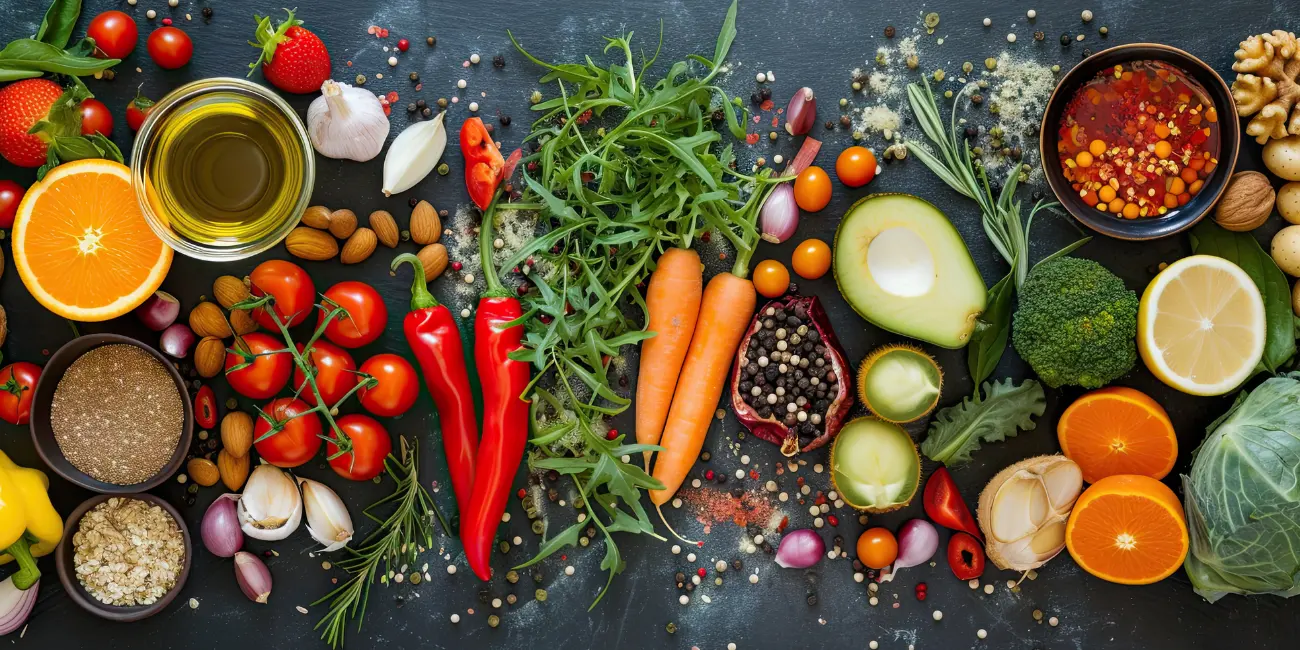
Micronutrients—vitamins and minerals—are essential for your
body to function at its best. Unlike macronutrients (carbohydrates, proteins,
and fats), they don’t provide energy but play a vital role in everything from
immune support to brain function. Are you getting enough? Let’s dive in!
🌟 Why Micronutrients
Matter
🥗 Are You Deficient?
Watch for These Signs!
🍎 How to Get Enough
Vitamins and Minerals
🌍 Final Thoughts
Getting the right balance of micronutrients is key to
long-term health. A nutrient-dense diet can prevent deficiencies and help you
feel your best daily. Take a look at your plate—are you getting enough?
💡 Tip: If you’re
unsure about your vitamin levels, a simple blood test can help identify any
deficiencies.
Collagen gets most of the attention when we talk about youthful-looking skin. But is collagen really the whole story?
READ MORE
When simple tasks start feeling harder than they should, your mind may need a little extra support.
READ MORE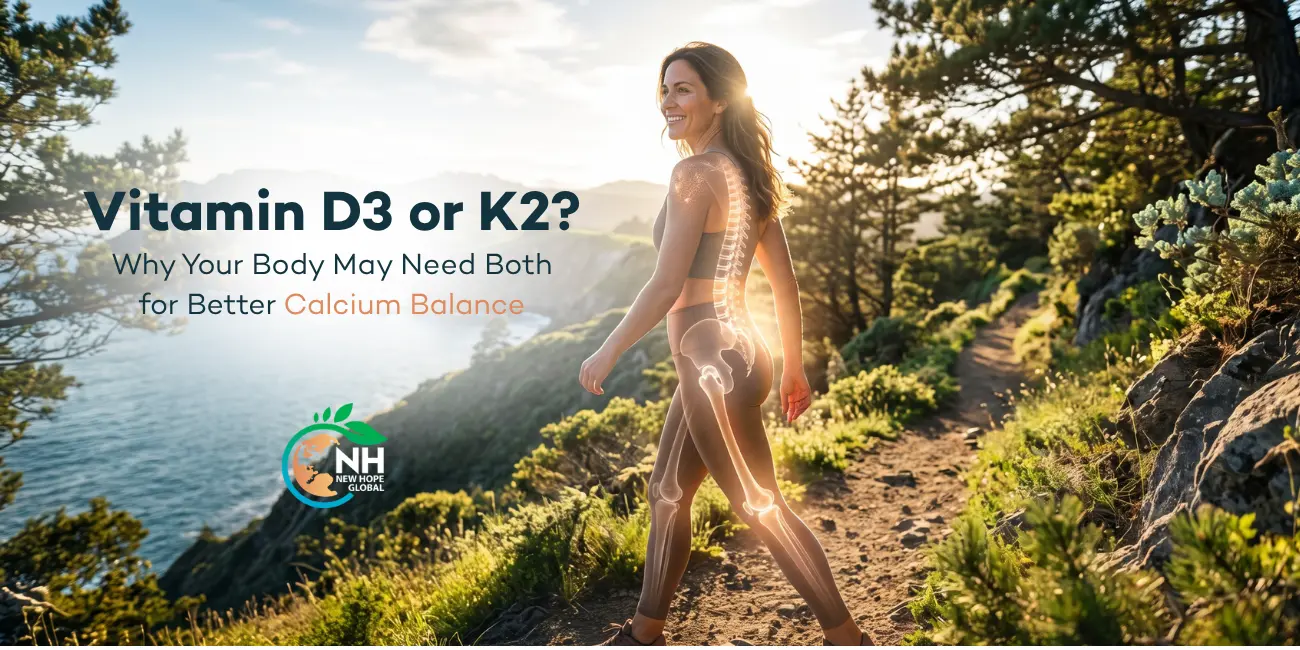
Vitamin D3 helps your body absorb calcium — but what happens next? Discover why vitamin K2 may be the missing piece in the bigger calcium picture.
READ MORE
Here is what to know about avocado oil and black cumin seed oil when it comes to supporting healthy-looking skin from within.
READ MORE